


Trends Historical drama films continued to include epic films, in the style of Ben-Hur from 1959, with Spartacus (1960) and Cleopatra (1963), but also evolving with 20th-century settings, such as The Guns of Navarone (1961), Lawrence of Arabia (1962), and Doctor Zhivago (1965). Psychological horror films extended, beyond the stereotypical monster films of Dracula/Frankenstein or Wolfman, to include more twisted films, such as Psycho (1960) and Roger Corman's Poe adaptations for American International Pictures as well as British companies Hammer Horror and Amicus [...]
[read more]
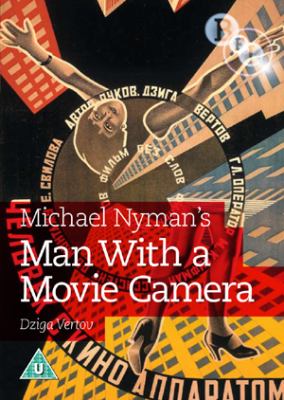
Early modernist film came to maturity in the era between World War I and World War II, with characteristics such as montage and symbolic imagery, manifesting itself in genres as diverse as expressionism and surrealism (as featured in the works of Fritz Lang and Luis Buñuel) while postmodernist film – similar to postmodernism as a whole – is a reaction to modernist works, and to their tendencies (such as nostalgia and angst). Modernist cinema [...]
[read more]
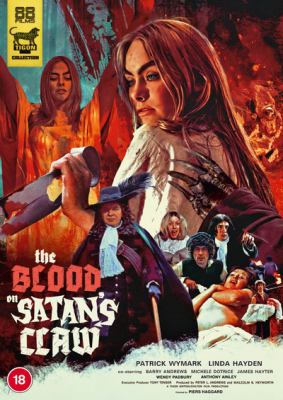
Folk horror is a subgenre of horror film and horror fiction that uses elements of folklore to invoke fear and foreboding. Typical elements include a rural setting, isolation, and themes of superstition, folk religion, paganism, sacrifice and the dark aspects of nature. Although related to supernatural horror film, folk horror usually focuses on the beliefs and actions of people rather than the supernatural, and often deals with naïve [...]
[read more]